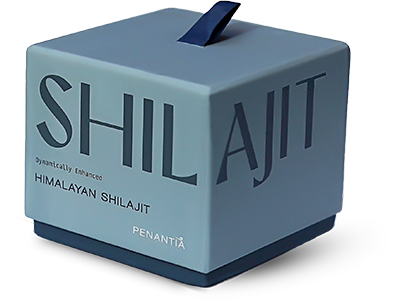
If you are always tired, hormonally imbalanced, or struggling with energy no matter what you try, the root cause is almost always cellular — not lifestyle. Shilajit, a rare resin formed over centuries in the Himalayan mountains, addresses these root causes in ways that standard supplements cannot. This article explains exactly how.
Table of Contents
- What is Shilajit and Why Does it Work Differently for Women
- Shilajit and Hormonal Balance: The Oestrogen and Progesterone Connection
- Energy and Iron: Why Women Are Chronically Depleted
- Shilajit for PMS and PMDD
- Perimenopause and Shilajit: What Changes and What Helps
- Sleep, Stress, and Cortisol in Women
- How to Take Shilajit as a Woman
- Frequently Asked Questions
What Is Shilajit and Why Does It Work Differently for Women
Shilajit is not a vitamin. It is not a herb. It is a geological resin — formed over millions of years from the compression of mineral-rich organic matter in Himalayan rock. The result is a dense, tar-like substance that contains over 80 trace minerals in their ionic state, plus fulvic acid: the transport molecule the human gut evolved alongside.
The reason it works differently for women comes down to three biological facts. First, women cycle. Every month, hormonal fluctuations affect mineral absorption, cortisol regulation, and cellular energy demand. Second, women are statistically more likely to be iron-deficient, magnesium-depleted, and zinc-low than men of the same age. Third, the hormonal transitions women go through — from reproductive years through perimenopause — are mineralogically expensive. Every hormonal shift burns through the body’s mineral reserves.
Why This Matters A 300 mg magnesium oxide capsule delivers approximately 12 mg of usable magnesium to your cells. The rest is absorbed minimally or excreted. Shilajit delivers magnesium in its ionic state — the dissolved, electrically charged form that cells absorb directly, with no digestive conversion required. This is the difference between a supplement that is technically dosed and one that actually reaches its target. |
Shilajit and Hormonal Balance: The Oestrogen and Progesterone Connection
Your hormones are not just controlled by your ovaries. The entire endocrine system — including the HPA axis (hypothalamic-pituitary-adrenal axis) — regulates how oestrogen and progesterone are produced, used, and cleared. And the HPA axis runs on minerals.
Magnesium is required for oestrogen metabolism in the liver. When magnesium is depleted, oestrogen clearance slows, which contributes to oestrogen dominance — the state where oestrogen is relatively high compared to progesterone. Symptoms include heavy periods, bloating, mood instability, and fatigue. Supplementing with ionic magnesium (as found in Shilajit) supports the liver’s ability to clear excess oestrogen efficiently.
Zinc is required for progesterone production. Low zinc consistently correlates with low progesterone, short luteal phases, and PMS severity. Most zinc supplements deliver zinc oxide, which absorbs at roughly 20 percent. Fulvic acid in Shilajit transports ionic zinc directly across the gut wall, resulting in meaningfully higher cellular delivery.
The combination of ionic zinc and magnesium — both present in Shilajit in bioavailable form — addresses two of the most common nutritional roots of hormonal imbalance simultaneously.
Energy and Iron: Why Women Are Chronically Depleted
Iron deficiency is the most common nutritional deficiency worldwide, and women of reproductive age are disproportionately affected. Every menstrual cycle involves blood loss. Blood contains haemoglobin. Haemoglobin requires iron. If dietary intake does not replace what is lost, iron stores deplete — and so does energy.
Shilajit contains ionic iron in a form that is directly absorbable. Unlike iron sulphate supplements — which cause digestive discomfort and have poor bioavailability — the iron in Shilajit is delivered in solution via fulvic acid, which acts as a chelating agent that enhances iron transport across the gut lining.
Shilajit for PMS and PMDD
PMS and PMDD are not simply hormonal. They are neurological and metabolic. In the luteal phase (the two weeks before your period), progesterone rises and then falls sharply. This fall triggers a corresponding drop in GABA — the brain’s primary calming neurotransmitter. The result is anxiety, irritability, sleep disruption, and mood crashes.
Magnesium deficiency makes this significantly worse. Magnesium is required for GABA receptor sensitivity. When magnesium is low, GABA cannot bind effectively, and the brain is effectively running in low-calming-signal mode throughout the luteal phase.
Multiple clinical trials have shown that magnesium supplementation reduces PMS symptom severity — specifically the mood-related and cramping symptoms. The mechanism is not sedation; it is cellular: restoring the mineral substrate that the GABA system depends on.
Perimenopause and Shilajit: What Changes and What Helps
Perimenopause begins in the mid-to-late thirties for most women — often a decade before the last period. The defining feature is erratic oestrogen: it does not decline steadily, it fluctuates wildly, causing waves of symptoms including night sweats, sleep disruption, brain fog, mood instability, and joint pain.
These symptoms are worsened by mineral depletion. Oestrogen helps regulate magnesium levels in cells; as oestrogen declines, cellular magnesium retention decreases. This creates a feedback loop: low oestrogen leads to low magnesium, which worsens sleep and mood, which elevates cortisol, which depletes magnesium further.
Shilajit as an Adaptogen in Perimenopause Shilajit is classified as an adaptogen — a compound with clinical evidence for supporting HPA axis regulation, the system governing cortisol and the stress response. In perimenopause, when the stress response is already dysregulated by hormonal fluctuation, adaptogenic support directly addresses the cortisol component of the symptom cluster. |
Sleep, Stress, and Cortisol in Women
Women are twice as likely as men to experience insomnia. This is not coincidental — it is hormonal. Progesterone has a sedative effect; in the luteal phase and through menopause, declining progesterone disrupts sleep architecture. Simultaneously, cortisol spikes in the early morning hours (between 2–4 am) are a common cause of waking during perimenopause and in chronically stressed women.
Ionic magnesium is one of the most important inputs for deep sleep architecture. It regulates melatonin production and supports GABA receptor function in the brain. Shilajit delivers magnesium in the ionic form that crosses the blood-brain barrier, producing effects that standard magnesium oxide supplements cannot replicate.
How to Take Shilajit as a Woman
Penantia Shilajit Resin is taken as a pea-sized amount (approximately 300 mg) dissolved in warm water, tea, or milk. Morning on an empty stomach produces the best absorption because gastric acid concentration is optimal before food intake.
- Start with a smaller amount (grain of rice size) for the first week to assess tolerance
- Avoid taking with coffee or caffeinated drinks, which can interfere with mineral absorption
- Consistent daily use for 30 days is when most women notice the most significant changes to sleep and energy
- Do not take during pregnancy without medical advice
For the complete dosage guide, see our dedicated article on how to take Shilajit correctly.
Frequently Asked Questions
Is Shilajit safe for women to take daily?
Yes. Purified Shilajit resin — tested for heavy metals and free from additives — is safe for daily use in healthy women. Penantia’s Shilajit is batch-tested by accredited Australian laboratories and verified free of heavy metals. The key word is purified: unpurified Shilajit can contain heavy metals and mycotoxins, which is why third-party testing matters.
How long does it take to see results?
Most women report noticeable changes to sleep quality and energy within 2–4 weeks of consistent daily use. Hormonal changes — particularly PMS improvement — are typically observed from the second or third cycle onward, as mineral status needs time to rebuild.
Can I take Shilajit alongside other supplements?
Yes, with two considerations. Avoid taking Shilajit at the same time as other iron supplements, as competitive absorption can occur. If taking thyroid medication, take Shilajit at least 2 hours apart, as fulvic acid can affect thyroid hormone binding in some individuals.
Ready to Try Penantia Shilajit? Hand-harvested at 15,000ft in Ladakh. 95.2% fulvic acid. Batch-tested by Australian laboratories. No fillers, no additives — resin form only. Shop Pure Himalayan Shilajit Resin (20g) |